
Biomedical Waste Operating Plan in Florida: What Every Generator Needs to Know
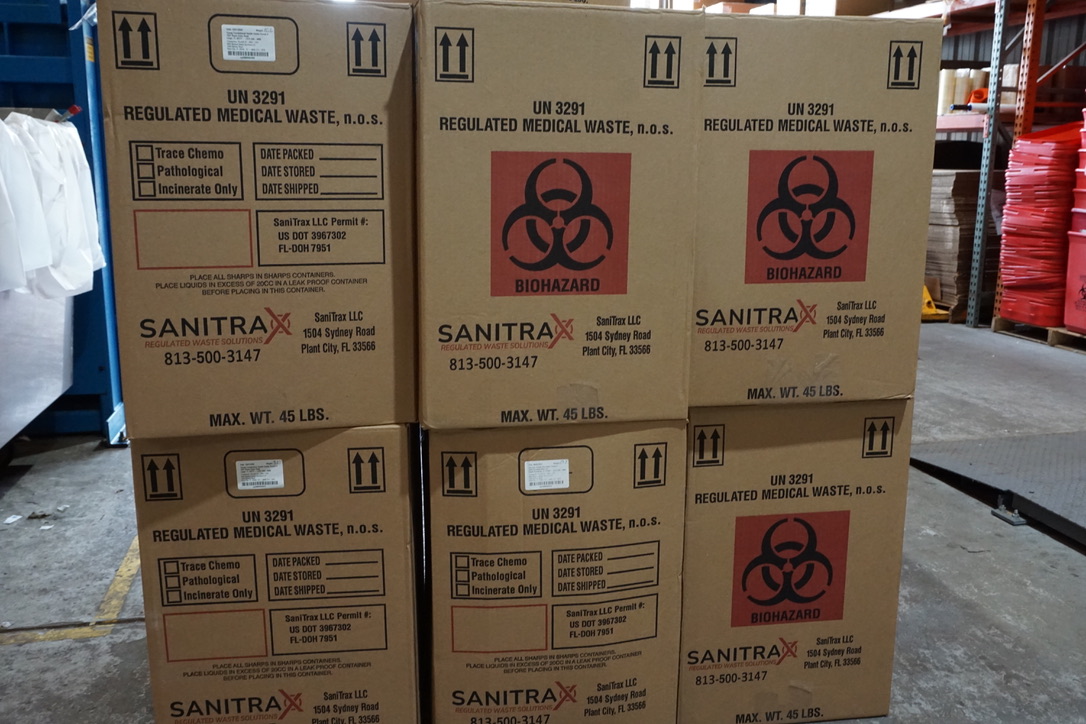
If you manage a waste-generating facility in Florida (such as medical offices, dental practices, hospitals, veterinary clinics, tattoo studios, nursing homes, research laboratories, or diagnostic centers), understanding biomedical waste regulations isn’t optional. The Florida Department of Health (DOH) enforces strict requirements under Florida Administrative Code Chapter 64E-16, and inspections reveal that generators commonly stumble on training documentation, storage time limits, and operating plan completeness.
The stakes are high: non-compliance can result in fines, operational shutdowns, staff exposure incidents, and environmental contamination. This guide explains Florida’s biomedical waste requirements in practical, step-by-step terms so you can set up compliant systems in your facility today.
Why This Matters for Florida Biomedical Waste Generators
Florida DOH regulates biomedical waste to protect public health, workers, and the environment. Waste generated by medical offices, dental practices, veterinary facilities, tattoo studios, nursing homes, and laboratories (including contaminated sharps, blood-soaked materials, and pathogen cultures) poses serious infection risks if mishandled.
Common compliance pitfalls across Florida facilities include:
- Outdated or missing written operating plans
- Incomplete training records (or no annual refresher training)
- Storage exceeding 30-day limits
- Improper labeling or container selection
- Using unregistered transporters
DOH conducts routine and complaint-driven inspections. Inspectors will request your operating plan, training documentation, waste manifests, and storage records. Facilities that lack organized systems face immediate citation and corrective action orders.
What Counts as Biomedical Waste?
Florida defines biomedical waste as any solid waste that contains human disease-causing agents (64E-16.002, FAC). Across different facility types, this includes:
Biomedical waste typically includes:
- Cultures and stocks of infectious agents (bacterial, viral, fungal) from laboratories and diagnostic facilities
- Human blood and blood products (plasma, serum, blood components)
- Pathological specimens from humans
- Contaminated sharps (needles, scalpels, surgical blades, tattoo needles, dental burs, broken glass, suture needles)
- Materials contaminated with human blood or other potentially infectious materials (OPIM): used bandages, gauze, surgical sponges, pipette tips from labs, gloves, gowns
- Personal protective equipment contaminated with human blood or OPIM
What is NOT biomedical waste:
- Clean, unused supplies
- General office trash
- Chemical waste (regulated separately under RCRA/hazardous waste rules)
- Animal carcasses or bedding (regulated under different DOH rules)
- Radioactive materials (regulated by the Florida Bureau of Radiation Control)
When in doubt, treat contaminated materials as biomedical waste. Over-classification is safer than under-classification and reduces risk to waste handlers.
Required Written Biomedical Waste Operating Plan in Florida
Every Florida facility generating biomedical waste must maintain a written operating plan (64E-16.003(2), FAC). This document serves as your facility’s compliance blueprint and must be available for DOH inspection.
Required Operating Plan Sections
Your plan must address these six elements:
- Training Procedures
Describe initial and annual refresher training protocols, who delivers training, topics covered, and recordkeeping methods. - Waste Segregation
Explain how staff separate biomedical waste from general refuse and chemical waste at the point of generation. Include decision trees or flowcharts if helpful. - Packaging and Labeling
Detail container types, required labels and symbols, sealing methods, and how staff verify proper packaging before storage. - Storage Practices
Identify storage locations, access controls, temperature maintenance, and monitoring procedures to ensure the 30-day limit isn’t exceeded. - Transport and Treatment
Name your registered transporter, treatment facility, and disposal methods. Explain manifest procedures and verification processes. - Spill Response and Contingency Plans
Outline immediate response steps for spills, container failures, or other emergencies. Include contact information for spill cleanup and backup disposal options if your primary transporter is unavailable.
Implementation Tips
- Store your operating plan where staff can easily access it (online portal, binder in storage area, facility safety manual)
- Review and update the plan whenever regulations change, your transporter changes, or facility operations change
- Assign one person (office manager, safety coordinator, practice administrator, biosafety officer) as the plan owner responsible for updates
- Include your plan in new employee orientation and annual refresher training
Need help creating your plan? Many Florida facilities partner with experienced biomedical waste management companies like SaniTrax to develop compliant, facility-specific operating plans that pass DOH inspection.
Training and Records: What the DOH Expects
All personnel who handle biomedical waste must complete training before performing waste-related duties and receive annual refresher training thereafter (64E-16.003(2)(a)-(b), FAC). This includes nurses, medical assistants, dental hygienists, veterinary technicians, tattoo artists, laboratory technicians, custodial staff, researchers, and anyone who packages, moves, or stores waste.
Required Training Topics
Your training program must cover:
- Proper waste segregation techniques (what goes in red bags vs. sharps containers vs. trash)
- Handling procedures that minimize exposure risk
- Correct use of personal protective equipment
- Container selection, labeling, sealing, and transport to the storage area
- Storage area protocols and 30-day time limits
- Spill response and emergency procedures
- Incident reporting and exposure protocols
- Relevant regulatory requirements
Documentation Requirements
Maintain training records for at least three years (64E-16.003(2)(b), FAC). Records should include:
- Employee name
- Training date
- Topics covered
- Trainer name and credentials
- Employee signature acknowledging completion
Create a simple training log spreadsheet or use your facility management system to track training dates and flag employees due for annual refresher training. During inspections, DOH will verify that current waste handlers have up-to-date training documentation.
Segregation, Packaging, and Labeling
Proper segregation at the point of generation is your first line of defense against compliance violations and exposure incidents. Florida requires specific containers and labels depending on waste type.
Red Bags for Non-Sharp Biomedical Waste
Use red bags marked with the universal biohazard symbol for biomedical waste such as:
- Contaminated gloves, gowns, lab coats, masks, surgical drapes
- Blood-soaked gauze, bandages, absorbent materials
- Contaminated pipette tips, tubes, and petri dishes from laboratories
- Used culture plates and media
- Soiled wound dressings and surgical sponges
Labeling requirements (64E-16.004(2)(b), FAC): Each bag must display the universal biohazard symbol plus one of these approved phrases: “BIOMEDICAL WASTE,” “BIOHAZARDOUS WASTE,” “BIOHAZARD,” or “INFECTIOUS WASTE.”
For approved red bags, please visit Biomedical Waste Red Bag List | Florida Department of Health.
Facility-specific tips:
- Place red bag waste containers at every workstation where contaminated materials are generated
- Don’t overfill: bags should seal securely with enough room to tie off without tearing
- Double-bag if the outer bag is visibly contaminated
- Never mix chemical waste with biomedical waste (chemicals require separate disposal)
Sharps Containers
All contaminated sharps must go into rigid, puncture-resistant containers. This includes:
- Needles and syringes
- Scalpel blades and surgical instruments
- Tattoo needles
- Dental burs and files
- Broken glassware (beakers, slides, pipettes)
- Razor blades
- Suture needles
- Any item that can puncture skin
Container requirements: Sharps containers must be leak-proof, puncture-resistant, closeable, and labeled with the biohazard symbol and an approved phrase (same as red bags). Once full, seal the container immediately. Never force additional sharps into a full container.
When does the storage clock start? For sharps-only containers, the 30-day storage period begins when the container is sealed, not when the first sharp is deposited (64E-16.004(1), FAC). For mixed waste bags, the clock starts when the first item is placed inside.
Universal Waste
Many facilities also generate universal waste, which includes materials regulated under separate EPA and Florida DEP rules. Common universal waste includes:
- Mercury thermometers and manometers
- Fluorescent bulbs and lamps
- Batteries (rechargeable, button cell, lithium)
- Certain electronic devices
Key difference: Universal waste can be stored for up to one year (versus 30 days for biomedical waste) and requires different labeling: “UNIVERSAL WASTE” plus the specific waste type (e.g., “UNIVERSAL WASTE – BATTERIES”) and the accumulation start date.
Do not mix universal waste with biomedical waste. They require separate containers, labels, and disposal pathways.
Storage Rules: Location, Time Limits, and Security
Florida strictly regulates on-site biomedical waste storage to prevent unauthorized access, vector attraction, and prolonged exposure risks.
The 30-Day Rule
Biomedical waste cannot be stored at the generator location for more than 30 days (64E-16.004(1), FAC). The clock starts:
- For red bags: When the first piece of waste is deposited
- For sharps containers: When the container is sealed
Track storage start dates carefully. Use labels with date fields, logbooks, or digital tracking systems. If waste sits longer than 30 days, you’re in violation even if pickup was scheduled and the transporter was late.
Storage Area Requirements
All biomedical waste storage areas must meet these standards (64E-16.004(2), FAC):
Access Control: Restrict access to authorized personnel only. Use locked rooms, cages, or fenced enclosures.
Signage: Outdoor storage areas must display the universal biohazard symbol at least six inches in diameter. Indoor storage areas should also be clearly marked.
Physical Conditions:
- Maintain clean, organized conditions (no pooled liquids, debris, or clutter)
- Ensure adequate ventilation if storing indoors
- Use surfaces that are easily cleanable and non-porous
- Control temperature if storing materials that could decay or attract pests (refrigeration may be necessary for certain pathological waste)
Security: Prevent unauthorized access, vandalism, or theft. Storage areas should not be accessible to the public or general building occupants.
Practical Implementation
- Designate one specific storage location rather than scattering waste throughout the facility
- Post a sign-in/sign-out log if multiple departments or practitioners share a central storage area
- Schedule waste pickup at regular intervals (weekly or bi-weekly) to ensure you never approach the 30-day limit
- Conduct monthly audits of your storage area to verify compliance
- For smaller facilities with limited space, consider more frequent pickups or shared storage arrangements with neighboring practices
Treatment and Transport
Biomedical waste must be treated using approved methods within 30 days of collection from your facility (64E-16.007(1), FAC). Treatment renders waste non-infectious before final disposal.
Approved Treatment Methods
Florida DOH recognizes these treatment technologies:
Steam Sterilization (Autoclaving): High-pressure steam at temperatures of 121°C or higher for specified contact times. Suitable for most biomedical waste but not for chemical-contaminated materials.
Incineration: High-temperature combustion that destroys pathogens and reduces waste volume. Typically used for pathological waste and materials unsuitable for autoclaving.
Alternative Technologies: Other methods specifically approved by DOH, such as microwave treatment, chemical disinfection systems, or advanced thermal processing. Check with DOH to confirm approval status.
Your treatment facility must use one of these approved methods and provide you with treatment verification documentation. Maintain these records for at least three years.
Transporter Registration Basics
Any person or company transporting biomedical waste in Florida must register with DOH as a biomedical waste transporter (64E-16.009(1), FAC). When selecting a waste service provider, verify their current DOH registration status.
Required transporter documentation:
- DOH transporter registration number
- Biomedical waste manifest for each pickup (multi-part form tracking waste from generator to treatment)
- Treatment verification form confirming waste was properly treated
Small-Quantity Self-Transport Exception
Facilities generating less than 25 pounds of biomedical waste per month may self-transport waste directly to an approved treatment facility without registering as a transporter (64E-16.009(1), FAC).
Self-transport requirements and risks:
- Waste must go directly to the treatment facility with no stops for other purposes
- Vehicle must be dedicated to waste transport during the trip (no passengers or other cargo)
- You’re responsible for spills, accidents, or improper handling during transport
- You must still obtain treatment verification documentation
Most Florida facilities find that using a registered, experienced transporter reduces liability, ensures proper manifesting, and eliminates the logistical burden of self-transport, even if waste volumes are below 25 pounds monthly.
Permits and the 25-Pound Exemption
Florida’s biomedical waste generator permit requirements depend on monthly waste volume.
When You Need a Permit
Facilities generating more than 25 pounds of biomedical waste during any 30-day period must obtain a DOH generator permit (§381.0098(4)(a), Fla. Stat.). The permit application requires:
- Facility name, address, and contact information
- Estimated monthly waste generation volume
- Description of waste types generated
- Storage area location and specifications
- Transporter and treatment facility information
Permits must be updated whenever facility information changes (address, ownership, waste volume category).
The Small-Quantity Exemption
Facilities generating 25 pounds or less per month are exempt from the permit requirement but must still comply with all other Florida biomedical waste regulations (§381.0098(4)(a), Fla. Stat.). This means:
- You still need a written operating plan
- Training requirements still apply
- Storage time limits (30 days) still apply
- Labeling and packaging rules still apply
- You must still use a registered transporter (unless self-transporting)
The exemption only eliminates the permit fee and registration form, not the underlying regulatory obligations.
When Facilities Cross the Threshold
If your waste generation increases and you exceed 25 pounds in any 30-day period, you must apply for a generator permit promptly. DOH may discover permit violations during routine inspections or through transporter manifest data. Don’t wait for an inspection. Submit your application as soon as you recognize the volume increase.
Florida Biomedical Waste Generator Compliance Checklist
Use this quick-reference checklist to verify your facility’s compliance status:
Operating Plan
- Written operating plan completed and current
- Plan includes all six required elements
- Plan accessible to all staff who handle waste
- Plan reviewed and updated when regulations or operations change
Training
- All waste handlers trained before performing duties
- Annual refresher training scheduled and tracked
- Training records maintained for 3+ years
- Training covers all required topics (segregation, PPE, spills, etc.)
Segregation and Packaging
- Red bags available at all waste generation points
- Sharps containers available wherever sharps are used
- All containers properly labeled with biohazard symbol and approved phrase
- Staff understand what goes in each container type
- Chemical waste segregated separately (not mixed with biomedical waste)
Storage
- Storage area restricted to authorized personnel
- Biohazard signage posted (6″+ diameter for outdoor areas)
- Storage area clean, organized, and easily cleanable
- Waste tracked to ensure 30-day limit compliance
- Backup storage plan if primary area becomes unavailable
Transport and Treatment
- Registered transporter under contract
- Transporter DOH registration verified and current
- Pickup schedule ensures waste never exceeds 30-day storage limit
- Manifests obtained and filed for every pickup
- Treatment verification forms received and maintained (3+ years)
Permits and Documentation
- Generator permit obtained if generating >25 lbs/month
- Permit updated when facility information changes
- Recordkeeping system maintains all required documents for 3+ years
- Annual report submitted (if required for your permit class)
Emergency Preparedness
- Spill kit available and stocked
- Staff trained on spill response procedures
- Backup transporter identified
- Emergency contact list posted in storage area
Print this checklist and use it during internal audits or to prepare for DOH inspections.
Frequently Asked Questions
What are Florida biomedical waste training requirements?
All personnel who handle biomedical waste must complete initial training before beginning waste-related duties and annual refresher training thereafter (64E-16.003(2)(a)-(b), FAC). Training must cover waste segregation, handling procedures, PPE use, container selection and labeling, storage protocols, spill response, and relevant regulations. Maintain training records for at least three years with employee name, training date, topics covered, and trainer information.
How long can a facility store biomedical waste in Florida?
Florida facilities may store biomedical waste on-site for a maximum of 30 days (64E-16.004(1), FAC). The storage period begins when the first item is placed in a red bag container or when a sharps-only container is sealed. Schedule regular pickups to ensure you never approach this limit. Waste stored longer than 30 days constitutes a violation regardless of the reason.
What are regulated waste labeling requirements in Florida?
All biomedical waste containers must display the universal biohazard symbol plus one of these approved phrases: “BIOMEDICAL WASTE,” “BIOHAZARDOUS WASTE,” “BIOHAZARD,” or “INFECTIOUS WASTE” (64E-16.004(2)(b), FAC). Labels must be clearly visible and legible. Pre-printed red bags and sharps containers typically include compliant labeling, but verify before use.
Do facilities need accessible Florida DOH forms?
Yes. Every facility that generates biomedical waste in Florida must maintain a written operating plan (64E-16.003(2), FAC). The plan must address training, segregation, packaging and labeling, storage, transport and treatment, and emergency response. Keep your plan accessible for staff reference and DOH inspection, and update it whenever regulations change or your facility’s operations change.
When do Florida facilities need a biomedical waste generator permit?
Facilities generating more than 25 pounds of biomedical waste during any 30-day period must obtain a DOH generator permit (§381.0098(4)(a), Fla. Stat.). Generators producing 25 pounds or less per month are exempt from the permit requirement but must still comply with all other biomedical waste regulations (operating plan, training, storage limits, labeling, etc.). If your waste volume increases above the 25-pound threshold, apply for a permit promptly.
Florida biomedical waste transporter registration vs. self-transport for generators under 25 pounds
Any person or company transporting biomedical waste in Florida must register with DOH as a transporter (64E-16.009(1), FAC). However, small-quantity generators producing less than 25 pounds per month may self-transport waste directly to an approved treatment facility without transporter registration. Self-transport requires dedication of the vehicle during transport (no stops for other purposes) and full liability for any spills or incidents. Most facilities prefer using registered transporters to reduce liability and ensure proper documentation, even when eligible for self-transport.
Partner with Florida Compliance Experts
Keeping up with Florida’s biomedical waste regulations requires specialized knowledge and ongoing attention to regulatory updates. From clinics and dental offices to veterinary practices, tattoo studios, nursing homes, and laboratories, facilities across Florida work with experienced partners like SaniTrax to streamline compliance, reduce risk, and focus on their core mission.
Comprehensive biomedical waste services include:
- Compliant operating plan development and updates
- Staff training program delivery and documentation
- Scheduled waste pickup with DOH-registered transporters
- Proper containers and labels (sharps disposal, red bags)
- Emergency spill response and contingency support
- Complete manifest and recordkeeping management
- Regulatory update notifications
- Pharmaceutical waste management for facilities handling controlled substances
Working with a Florida-focused biomedical waste partner gives your facility compliance confidence, reduces administrative burden, and ensures you’re always ready for DOH inspection. Whether you operate a medical office, dental practice, veterinary clinic, tattoo studio, nursing home, or laboratory, SaniTrax helps Florida biomedical waste generators stay compliant with DOH requirements. Contact SaniTrax today to keep your facility covered.