Medical Waste Disposal Services Miami: Your Complete Guide
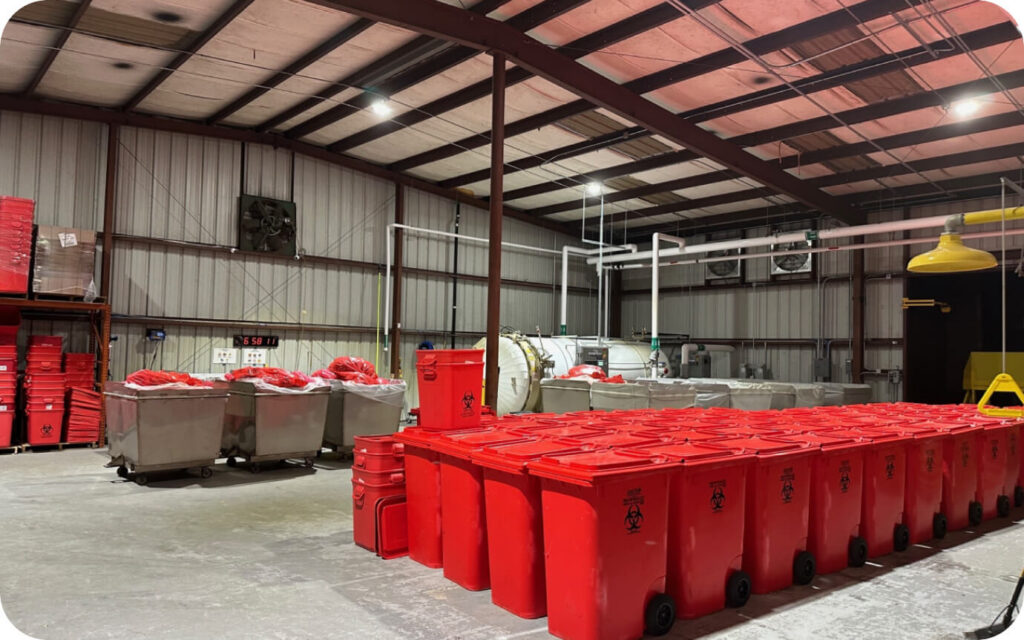
At SaniTrax, we provide medical waste disposal services for Miami facilities that depend on us for compliance and day-to-day safety. Whether we support a small clinic or a large hospital, we understand how much is at stake. Proper biomedical waste management protects staff, patients, and the community while helping you avoid costly penalties.
What Are the Key Medical Waste Regulations Miami Facilities Must Follow?
Medical waste regulations Miami facilities must follow include federal guidelines from OSHA and EPA, along with the Florida Department of Health. These rules cover segregation, packaging, transportation manifests, and treatment verification.
Compliance matters. Violations can lead to citations, service interruptions, and public health concerns.
Facilities with clear waste management protocols tend to face fewer violations. Common citations involve container labeling, incomplete training records, and missing treatment certificates. Each issue can lead to costly fines and damage your facility’s reputation.
We help keep your program current as regulations change. New requirements continue to appear, especially around pharmaceutical waste and controlled substances.
How Does Biomedical Waste Disposal in Miami Differ From Standard Waste?
Biomedical waste disposal in Miami involves separating waste into distinct streams. This is about safety, cost control, and compliance.
Proper segregation at the source can reduce disposal costs by up to 40% while improving safety. When regular trash gets mixed with regulated waste, you pay medical waste rates for material that does not need that level of handling.
Here is how the main waste streams work:
Sharps Waste Management
Sharps waste includes needles, scalpels, and broken glass. We place these items in FDA-approved puncture-resistant containers. These containers must be sealed when they reach three-quarters full to help prevent injuries.
Red Bag Waste Requirements
Red bag waste includes items saturated with blood or other potentially infectious materials. This category often causes confusion. If an item is saturated, it belongs in the red bag waste.
Chemotherapy Waste Protocols
Yellow containers hold trace chemotherapy materials and require special handling. Facilities that support oncology or surgical procedures often generate more trace chemotherapy waste, so they need disposal plans tailored to their workflow.
Careful segregation at the point of generation prevents dangerous mixing. It also helps control costs because each waste type has its own disposal requirements and pricing.
Pathological Waste Protocols
Pathological waste needs to be marked to ensure proper handling. Saintrax provides the proper packaging supplies to ensure segregation at the point of generation.
This helps to control costs while maintaining compliance.
What Are the Requirements for Regulated Medical Waste in Florida?
Regulated medical waste from Florida facilities falls under strict state oversight. Under cradle-to-grave responsibility, you remain accountable for the waste until final treatment is verified.
Documentation requirements include:
- Keeping manifests for at least three years
- Tracking exact waste weights by category
- Verifying final treatment certificates
- Recording generator information accurately
Employee training is essential. Training should cover segregation, spill response, and exposure procedures. We recommend monthly refreshers paired with hands-on practice.
We have seen facilities fail inspections because training logs were incomplete. Even when staff know the process, missing documentation can still lead to non-compliance.
Digital tracking systems reduce documentation issues during inspections. Paper manifests can get lost. Handwriting can be hard to read. Filing mistakes happen. Digital records create backups and make information easier to find.
How to Choose the Right Miami Medical Waste Company?
Choosing a Miami medical waste company involves more than comparing prices. Start by confirming licensing through Florida’s Department of Health database. Review compliance history and ask about response times.
Red Flags to Watch For:
- Unusually low pricing, which can signal cutting corners
- No local presence or emergency response capability
- Vague contract terms without clear service commitments
- Hidden fees for fuel surcharges or stop charges
What Quality Providers Offer:
Reliable companies provide clear pricing and no surprise fees. They also offer service agreements that spell out pickup frequency, container supply, and emergency response procedures.
Strong providers should offer more than pickup. Training support, compliance consulting, and regulatory updates all add value. Different facilities have different needs. A dental office and a surgery center do not operate the same way.
Local Miami operations matter. They allow for faster response when you need urgent service. If a sharps container overflows or you need an emergency pickup, delay is a problem.
The best partners act as compliance consultants. They review your waste streams, recommend better segregation practices, and alert you to changes that affect your facility.
What Are the Cost Factors and Budget Planning Considerations?
Understanding pricing structures helps with effective budgeting. Most providers use more than one pricing model, and the right fit depends on your volume and schedule.
Volume-based pricing often works well for facilities that generate steady waste. Per-pickup pricing may suit smaller practices with irregular volumes. Monthly flat-rate programs can help with budget planning, though they may cost more for low-volume generators.
Standard Costs Include:
- Container rental or purchase fees
- Scheduled pickup charges
- Transportation costs
- Treatment and disposal fees
- Manifest and documentation services
Hidden Costs to Avoid:
Hidden fees can add up quickly. Watch for stop fees when pickups are missed, special handling charges for certain waste types, and minimum weight requirements that raise costs for small generators. When you keep non-regulated waste out of red bags and sort pharmaceuticals correctly, you avoid paying premium disposal rates unnecessarily.
Compliance failures can cost far more than a budget provider saves. One major violation can exceed years of quality service.
How Does Technology and Innovation Impact Medical Waste Management?
Modern medical waste disposal has changed as technology improves compliance and efficiency. These tools are now part of the standard approach.
Digital tracking systems provide real-time visibility into your waste stream. You can confirm pickups, access manifests online, and generate compliance reports automatically. That reduces manifest errors that can lead to citations.
Sustainability and Innovation:
Sustainability efforts are reshaping the industry. Reusable sharps containers can reduce plastic waste while maintaining safety standards. Some facilities see a significant drop in container costs after making the switch.
Advanced autoclaving technology offers complete sterilization with lower energy use. That matters for facilities tracking environmental impact or pursuing green certifications.
Mobile apps also make a difference. They allow instant manifest corrections, photo documentation of waste conditions, and direct communication with service providers. These tools reduce paperwork and help keep records organized.
Why Making the Right Choice Matters for Your Facility
Proper medical waste disposal protects your staff, patients, community, and organization. The financial impact reaches beyond fines. Improper disposal can create liability exposure, workers’ compensation claims, and public reputation issues. Good waste management is part of risk management.
When you understand the regulations, choose qualified partners, and follow best practices, you create a safer healthcare environment. The investment in quality medical waste disposal services Miami providers offer often pays for itself. With support from experienced partners like SaniTrax, medical waste management becomes a dependable part of your operations. Contact us today to get started.