
How to Use a Sharps Container: A Step-by-Step Safety Guide
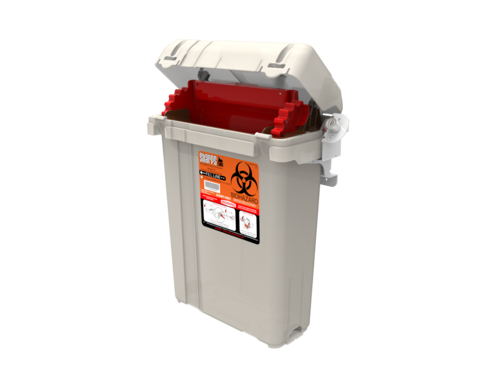
Learning how to use a sharps container correctly protects you, the people around you, and anyone who handles the container downstream. The core rule is simple: drop used needles and other sharps directly into a puncture-resistant, leak-proof container without recapping, keep the lid closed between uses, and replace the container once it reaches manufacturer’s fill line. This guide covers the full process, from placement through final disposal, along with the sharps container safety points that matter most for home users, caregivers, and small clinical settings.
What Is a Sharps Container?
A sharps container is a rigid, puncture-resistant, leak-proof container built to hold used needles, syringes, lancets, scalpels, and similar sharp medical items until they can be safely disposed of. Every proper container is labeled with the biohazard symbol and features a secure lid that reduces the risk of accidental exposure.
There are two main types. Single-use containers are sealed once full and discarded with their contents. Reusable containers are collected, emptied, and sanitized by a licensed medical waste provider before being returned to service. For information on which items belong inside, see our guide on what goes in a sharps container. If you manage a higher-volume site and want to reduce single-use waste, our reusable sharps container exchange program offers a technician-managed alternative.
How to Use a Sharps Container: Step by Step
Follow these four steps every time you use a sharps container:
- Place the container at the point of use. Position it within arm’s reach of the injection or procedure, on a stable surface where it can’t tip over. A shorter path from hand to container means less handling, and less handling keeps injury risk down.
- Drop the whole sharp in without recapping. Once a needle or blade has been used, place it directly into the container. Do not recap, bend, break, or try to remove the needle from a syringe. Recapping is a well-documented cause of needlestick injury, which is one of the leading routes for bloodborne pathogen exposure among healthcare workers.
- Keep the lid closed between uses. Use the container’s safety features as directed. Follow the manufacturer’s instructions for temporary closure and other safety features while the container is in use. Ensure the container remains upright and secure, and close it securely before removal or transport.
- Watch the fill line. “Follow the manufacturer’s marked fill line and never allow the container to overfill. Compliant containers include a fill indicator, typically at the ¾-full mark. Stop using the container when it reaches that point and prepare it for disposal. Overfilling a sharps disposal container increases the risk of accidental needle-stick injury, per FDA guidance.
Keep the container out of reach of children and pets at all times, whether it’s in active use or waiting for disposal. If you travel, carry a small travel-size container so you’re never stuck without a compliant option.
Sharps Container Requirements and Safety Basics
Not every rigid container qualifies as a sharps container. To meet sharps container requirements, a container must be:
- Puncture-resistant, so a needle can’t pierce the wall
- Leak-proof on the sides and bottom
- Rigid, not collapsible or soft-sided
- Labeled with the biohazard symbol and required color coding as required
- Closable, with a lid that stays shut between uses and locks or seals securely for disposal
These design standards exist because sharps containers pass through multiple sets of hands: point of use, transport, and final treatment. Every hand along the chain depends on the container holding its contents securely. Sharps container guidelines are set at the federal level by OSHA and DOT, with additional state rules in some jurisdictions. For a deeper look at the regulations governing sharps handling in healthcare settings, see our sharps disposal services page and our compliance and training resources.
Do Sharps Containers Need to Be Locked?
Yes. Sharps containers are designed to secure their contents both during use and after disposal, though the exact locking mechanism varies by container type:
- In use: Most containers have a temporary closed position that keeps the lid shut between drops. The lid opens easily when you need to dispose of the next sharp. Some smaller consumer containers rely on a simple twist or snap-close design that serves the same function.
- For disposal: Once the container reaches the fill line, it needs to be sealed securely so it can’t be reopened without breaking it. Higher-volume containers use a permanent locking mechanism. Smaller consumer containers may use a screw-on cap or adhesive seal.
Seal the container securely before it leaves your home or facility. A container that hasn’t been properly closed for disposal is not ready for pickup, mailback, or scheduled service. If you’re not sure how to secure your specific container, check the manufacturer’s instructions on the label.
How to Dispose of a Full Sharps Container
Once the container reaches the fill line, stop adding to it, secure the closure, and route it to the right disposal path. Sharps disposal guidelines from the FDA are clear on one point in particular: never place a sharps container in curbside trash, recycling, or a dumpster.
The right disposal path depends on how much waste you generate:
- Home users and small offices. Individuals managing diabetes, self-injectors, caregivers, and small practices are the primary audience for mailback sharps disposal. You receive a pre-approved container and prepaid return packaging, use the container at home, seal it when full, and ship it back for compliant destruction. You get a certificate of destruction for your records.
- Healthcare facilities. Hospitals, clinics, surgery centers, dental offices, and any facility generating regulated volumes should use a scheduled pickup service. Our medical waste management services cover container delivery, on-site exchange, transport, and documentation on a weekly, bi-weekly, or monthly cadence.
If you’re not sure which category applies to you, err toward the mailback program for lower volumes and reach out for a consultation on higher-volume needs.
Common Mistakes to Avoid
Even people who handle sharps regularly make these mistakes. Each one carries a specific safety cost:
- Overfilling past the fill line. Sharps protrude, lids won’t seal properly, and the container becomes a hazard for anyone handling it.
- Recapping needles. Recapping is one of the most documented causes of needlestick injury. Once a needle is used, it goes in the container as-is.
- Adding non-sharps or liquids. Gauze, gloves, needle caps, wrappers, and liquids do not belong inside. They take up space meant for sharps and can compromise how the container seals.
- Disposing of medications inside. Pills, vials of unused drugs, and other pharmaceutical waste follow a separate disposal path. See our pharmaceutical waste disposal services for the correct route.
- Reusing a single-use container. Once sealed, single-use containers are not meant to be reopened. Reusable containers may only be reprocessed by a licensed provider, never at home.
- Substituting a household bottle or jar. Milk jugs, coffee cans, and detergent bottles are not puncture-resistant, don’t carry biohazard labeling, and are not a compliant substitute for a proper container.
Frequently Asked Questions
How long can a sharps container sit before it needs to be disposed of?
For home users, there is no federal time limit as long as the container isn’t full and is stored safely out of reach of children and pets. Once it hits the manufacturer’s full line, seal it and route it for disposal within a reasonable time. Healthcare facilities are subject to state storage limits: in Florida, for example, biomedical waste must be removed or treated within 30 days.
Are sharps containers TSA-approved for travel?
The TSA allows travel-size sharps containers in both carry-on and checked baggage, along with the associated medications and supplies. Keep medications in their original labeling and carry a doctor’s note if possible. Check the TSA website for the current rules before flying.
Can you buy a sharps container at a pharmacy?
Yes. Most retail pharmacies carry small sharps containers over the counter, and no prescription is required. Some states run take-back programs where pharmacies also accept full containers, though availability varies. For higher-volume needs, ordering directly from a licensed medical waste provider is usually more cost-effective than retail purchase.
What happens to sharps after they reach the treatment facility?
At a licensed treatment facility, sealed sharps containers are typically processed by autoclave, a high-temperature steam sterilization method that renders the waste non-infectious. The treated material is then transported to an approved landfill. Some waste streams, such as trace chemotherapy sharps, are routed for incineration instead of autoclaving.
Can you reuse a sharps container?
Single-use containers are sealed once full and discarded with their contents. Reusable containers exist but are only reprocessed by a licensed medical waste provider under controlled conditions, never at home or inside a facility. If a container is labeled single-use, it stays single-use.
Safe Sharps Disposal Starts With the Right Container and the Right Route
Whether you’re managing sharps at home or in a healthcare setting, safe use comes down to the same principles: use a proper container, follow the ¾-full rule, keep the lid closed between uses, and route the sealed container to a licensed disposal provider.
For individuals, caregivers, and small offices, our mailback sharps disposal program is the simplest compliant route. For hospitals, clinics, and other facilities generating regulated volumes, request a quote to set up a scheduled pickup service tailored to your waste stream.