
How to Avoid Fines: Common Red Flags During a Florida Medical Waste Inspection
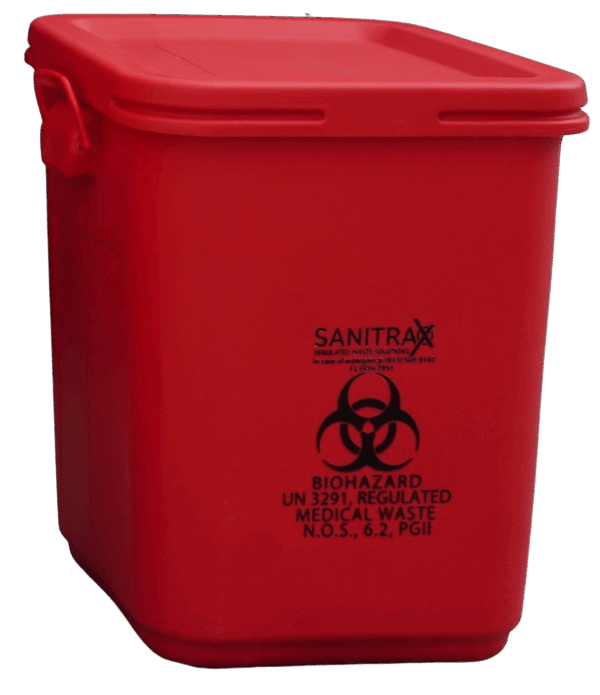
At SaniTrax, we help facilities across Florida stay compliant with the Florida Department of Health’s (DOH) strict biomedical waste regulations. Whether you run a hospital, dental office, tattoo studio, or veterinary clinic, you’re subject to unannounced Florida medical waste inspection visits. Even small missteps can lead to violations.
The good news? Most violations are avoidable. With the right systems in place and guidance from our compliance experts, you can sidestep common pitfalls and keep your facility running safely.
What Do Inspectors Look for During a Florida Medical Waste Inspection?
DOH inspectors are trained to spot compliance issues quickly. Here’s what they focus on and how you can prepare.
1. Biomedical Waste Operating Plan for Florida Generators: Is Yours Current and Complete?
You must have a written, up-to-date plan on-site. Florida Administrative Code 64E-16.003(2) requires every generator to maintain this document. It should outline segregation, labeling, storage, transport, disposal, training, and emergency protocols.
Many facilities prepare this plan when applying for a biomedical waste generator permit in Florida, then neglect to revise it as procedures change.
How to stay compliant:
- Review and update the plan annually
- Keep a printed copy on-site and accessible
- Ensure staff are familiar with its contents
We regularly audit and update operating plans to match evolving DOH standards.
2. Are Your Staff Training Records Complete and Up-to-Date?
Employees must complete biomedical waste training upon hire and annually. Verbal training isn’t enough. Inspectors require signed logs with training dates, trainer names, and topics. These must be kept for three years.
How to stay compliant:
- Schedule annual training for all relevant staff
- Use standardized forms to record attendance
- Store records in a labeled compliance binder
We offer DOH-compliant training programs with audit-ready documentation.
3. Are You Storing Biomedical Waste for the Proper Amount of Time?
Biomedical waste can’t be stored for more than 30 days from the date it’s first added to a container. Failing to label containers or missing pickups are common violations.
How to stay compliant:
- Label every container with the accumulation start date
- Schedule regular pickups with a registered transporter
- Use a tracking system to monitor dates
We automate labeling and scheduling to reduce the risk of time-based violations.
4. Are Your Biomedical Waste Containers Properly Labeled and Used?
Containers must meet DOH labeling and manufacturing standards. Red bags and sharps containers must bear the universal biohazard symbol and say “Biomedical Waste” or “Biohazard.” Mixing general or chemical waste with biomedical waste is a serious violation.
How to stay compliant:
- Use only DOH-compliant containers
- Train staff on proper segregation
- Inspect containers for damage or missing labels
We advise on container selection and labeling to ensure full compliance.
5. Is Your Biomedical Waste Transporter Properly Registered?
Only DOH-registered transporters can legally haul biomedical waste in Florida. You must also retain manifests and treatment records for at least three years.
How to stay compliant:
- Verify your transporter’s DOH registration
- Keep organized copies of all manifests
- Confirm credentials before signing service agreements
As a DOH-registered transporter, we provide all required documentation to keep your records inspection-ready.
6. Does Your Biomedical Waste Storage Area Meet DOH Standards?
Storage areas must be secure, ventilated, clean, and clearly marked with biohazard signage. Using janitor closets or poorly maintained rooms is a frequent citation.
How to stay compliant:
- Designate a compliant storage area
- Post biohazard signage visibly
- Inspect and clean weekly
- Restrict access to trained personnel
We help facilities design compliant storage spaces aligned with DOH and OSHA guidelines.
7. Are Your Biomedical Waste Records Organized and Complete?
Good documentation is as important as safe handling. Inspectors will request your biomedical waste operating plan for Florida generators, training records, transporter info, and disposal manifests. Disorganized or missing files can lead to citations.
How to stay compliant:
- Maintain a labeled binder or digital folder
- Review and update quarterly
- Use a checklist to track required documents
We offer ready-to-use templates and systems to streamline recordkeeping.
8. Do You Have a Documented Spill Response and Contingency Plan?
Florida law requires a written emergency plan. This includes procedures for spills, transporter delays, power outages, and other disruptions. A stocked spill kit and posted emergency contacts are also mandatory.
How to stay compliant:
- Update your contingency plan annually
- Train staff on emergency procedures
- Keep spill kits stocked and accessible
We include contingency planning in our compliance services and staff training.
What Are the Most Common Medical Waste Violations in Florida?
The most frequent violations include:
- Overfilled or unlabeled sharps containers
- Improper disposal of untreated biomedical waste
- Mixing expired medications with biomedical waste
- Leaking or damaged waste containers
- Failure to segregate biomedical waste from general or chemical waste
These aren’t just clerical errors. Improper handling puts staff and the public at risk of exposure to bloodborne pathogens and other infectious materials, according to CDC guidelines.
What Happens If You Fail a Biomedical Waste Inspection in Florida?
Failing an inspection can lead to citations, fines, or facility shutdowns. The DOH may issue a corrective action order. Repeat violations can result in license suspension or revocation.
Most failures stem from preventable issues like outdated training, missing documentation, or poor storage practices. Facilities that work with us often avoid these outcomes through proactive audits and structured compliance systems.
Pro tip: Conduct internal audits every 3–6 months. These mock inspections help you catch and correct issues before the DOH finds them. We offer detailed audits that mirror official inspections.
How Can You Prepare for a Florida Medical Waste Inspection?
Use this checklist to make sure you’re always inspection-ready:
- Review and update your biomedical waste operating plan annually
- Maintain signed training records for all waste-handling staff (retain for 3 years)
- Label all waste containers with the accumulation start date
- Use only DOH-registered transporters and keep manifests on file
- Keep storage areas secure, clean, ventilated, and clearly marked
- Organize all documents in a dedicated compliance binder or digital folder
- Maintain a stocked spill kit and a current emergency contingency plan
Final Thoughts: Stay Prepared
Staying compliant with Florida’s biomedical waste rules protects your staff, your clients, and your reputation. When you understand what inspectors are looking for and take proactive steps to meet those standards, you reduce risk and gain peace of mind.
Take a moment this week to review your protocols. Update your operating plan, confirm your transporter’s registration, and ensure your training records are current. If you’re unsure where to begin, we have the tools and expertise to guide you through every step of the compliance process.
In biomedical waste management, preparation is essential. Contact us today to get started.